Motorcycle and Music
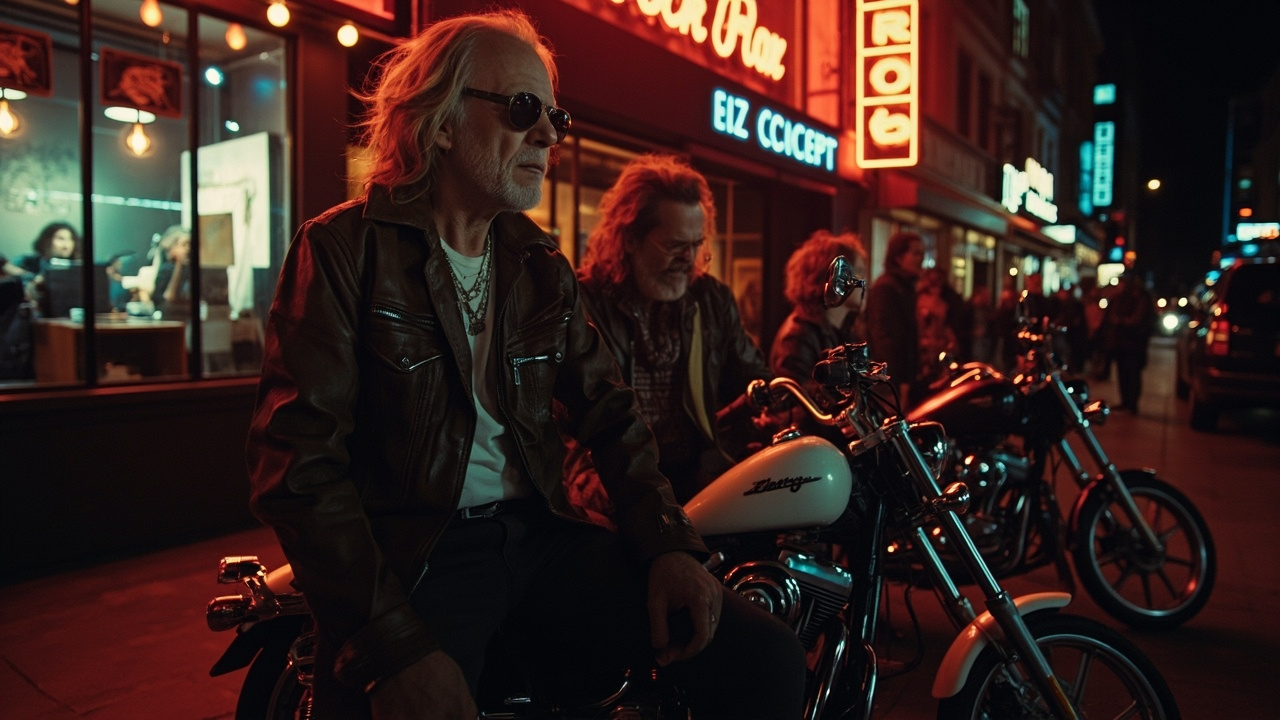
The relationship between motorcycles and music is inseparable. Since the rise of rock and roll in the 1950s, motorcycles have become symbols of rebellion and freedom in popular culture. This relationship has continued to evolve over the past seventy years without interruption.
The 1950s marked the starting point of the close connection between motorcycles and music. American society was undergoing major cultural change, and teenage motorcycle gangs became a focus of media attention. In 1954, Bill Haley & His Comets released Rock Around the Clock, which swept the world and included elements of motorcycles and the open road in its lyrics. In 1956, Gene Vincent & His Blue Caps' Be-Bop-A-Lula became the first motorcycle-themed song played on MTV, with lyrics describing a girl riding a motorcycle.
The appearance of Elvis Presley pushed this cultural phenomenon to its peak. Heartbreak Hotel in 1956 and Jailhouse Rock in 1958 solidified his status as an idol of youth culture. Although he was not a motorcycle rider himself, his performance style and media image were closely connected with motorcycle subculture.
In Britain in the 1960s, the rock era represented by The Who and Rolling Stones arrived. Pete Townshend, guitarist of The Who, was a well-known motorcycle enthusiast, and the lyric "I hope I die before I get old" from My Generation became a slogan for British motorcycle youth. The Who's classic sound, along with their stage performances of destroying guitars and motorcycles at concerts, shaped a new rock aesthetic.
During the same period, Fleetwood Mac, The Kinks, and other British bands also widely used motorcycles as themes for album covers and lyrics. These works defined the visual and auditory language of 1960s youth subculture.
Heavy metal rock in the 1970s pushed motorcycle culture in a darker direction. Black Sabbath's music and lyrics were full of motorcycle and death imagery. Lead singer Ozzy Osbourne himself was a Harley-Davidson enthusiast. On the cover of the 1978 album Never Say Die!, Osbourne appeared riding a Chopper above the clouds.
Pop metal and heavy metal in the 1980s continued this tradition. In songs such as Bon Jovi's Livin' on a Prayer and Mötley Crüe's Kickstart My Heart, motorcycles became symbols of the courageous pursuit of freedom. Motorhead made motorcycles part of the band's visual identity, and Lemmy's personal image—black leather, motorcycles, and whiskey—became the perfect embodiment of this culture.
In alternative rock and hip-hop of the 1990s, motorcycles still had a place. Works such as Nirvana's Smells Like Teen Spirit and Beastie Boys' Sabotage continued to use motorcycles as symbols of counterculture.
Since the 21st century, motorcycle elements have also begun appearing in electronic music and EDM culture. The roar of motorcycle engines has been sampled and integrated into electronic beats, creating a soundscape where old and new meet. At the same time, rock and heavy metal still maintain their traditional connection with motorcycle culture.
Beyond rock and heavy metal, motorcycle themes also appear in other musical genres. Country music of the 1950s, such as Marty Robbins' El Paso, contained many motorcycle elements. Soul and funk music of the 1970s also often featured motorcycles. Today's Latin music and K-pop likewise show the influence of motorcycle culture.
In addition to motorcycle-themed songs, there are music festivals specifically connected with motorcycle culture. The Sturgis motorcycle rally is held every year in South Dakota, and the large concerts held during the event are among the world's largest motorcycle-themed activities. Daytona Bike Week is likewise an important event combining motorcycles and music.
This combination of music and motorcycles is not only a commercial consideration, but also reflects a deeper cultural identity. The core values shared by motorcycles and rock music—freedom, rebellion, and challenges to tradition—naturally bring these two cultural forms together.