Overview
Yamaha Motor Co., Ltd. was spun off from Yamaha Corporation in 1955 to focus on motorcycles and power products. Known for exceptional engineering and racing pedigree, from the YZR-M1 in MotoGP to the YZ series on motocross tracks, the blue brand has consistently achieved greatness.
Yamaha is unique in being world-class in three completely different fields: musical instruments, audio equipment, and motorcycles. This cross-disciplinary engineering culture gives Yamaha motorcycles a distinctive character — a pursuit of perfection that echoes its musical instrument heritage.
History
Founding and Rise (1955-1970)
- 1955: Yamaha Motor separates from Yamaha Corporation, with Genichi Kawakami as first president
- 1957: First production motorcycle YA-1 (125cc two-stroke single), wins Mount Fuji Hill Climb
- 1958: YA-1 wins the Asama Volcano Race, establishing Yamaha's racing DNA
- 1964: First entry in World Championship Grand Prix
- 1968: XS-1 650cc twin launched, entering the big-displacement market
The YA-1, nicknamed "Red Dragonfly," established Yamaha's core philosophy from day one: "race to improve."
Golden Era (1971-2000)
- 1974: Legendary YZ250 motocrosser launched, beginning Yamaha's off-road dominance
- 1985: V-Max 1200 shocks the motorcycle world with its V4 engine and brutal acceleration
- 1998: YZF-R1 launched, redefining the superbike category with short wheelbase, lightweight, and 150 hp
- 1999: YZF-R6 introduced, setting a new middleweight benchmark
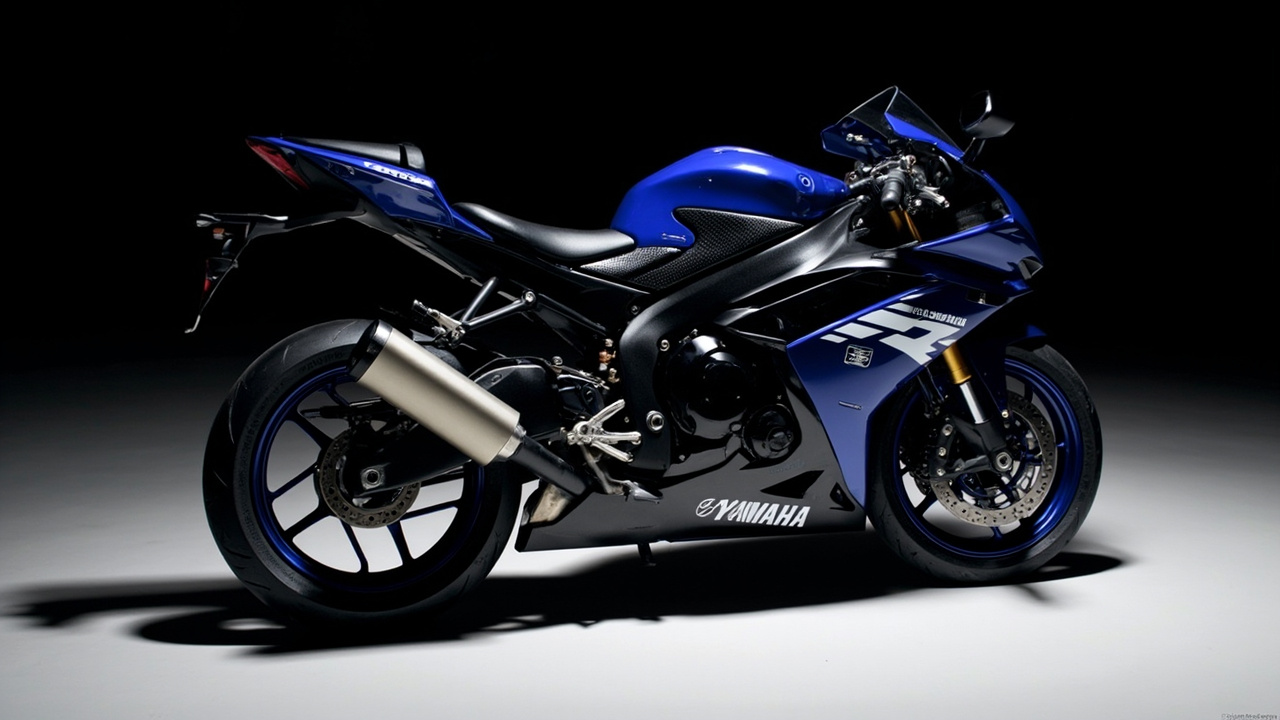
The YZF-R1 was a watershed moment in superbike history. Its philosophy — "bring racetrack technology within reach" — influenced every sportbike that followed.
Rossi Era (2001-2010)
- 2002: M1 enters the four-stroke MotoGP era
- 2004: Valentino Rossi joins Yamaha, wins the championship in his first year
- 2005: Rossi repeats, Yamaha claims the manufacturer title
- 2006: All-new YZF-R6 with titanium exhaust
- 2008-2009: Rossi wins two more championships for Yamaha
- 2009: All-new VMAX with 1700cc V4 engine
Rossi's arrival elevated Yamaha to unprecedented heights. The sight of his #46 yellow-numbered YZR-M1 became the defining image of 2000s MotoGP.
Modern Era (2011-Present)
- 2010-2015: Jorge Lorenzo wins three championships for Yamaha
- 2015: All-new MT-09 launches, creating the Hyper Naked category
- 2020: Ténéré 700 becomes the middleweight adventure benchmark
- 2021: Fabio Quartararo wins the MotoGP championship for Yamaha
- 2023: Updated YZF-R1 and R1M with CP4 crossplane engine
- 2024: Updated MT-09 SP with fully active electronic suspension
Motorsport
Yamaha is one of the most successful manufacturers in MotoGP history.
MotoGP Achievements
- Legendary Riders: Valentino Rossi (4 titles with Yamaha), Jorge Lorenzo (3 titles), Fabio Quartararo (1 title)
- Milestone: Yamaha is the only manufacturer to win world championships in both the 500cc two-stroke and MotoGP four-stroke eras
- YZR-M1: Renowned for cornering performance and rideability, one of the most balanced machines on the grid
Yamaha also competes in WorldSBK, the Dakar Rally, Motocross, Supercross, and Enduro.
Iconic Models
| Model | Category | Highlight | |-------|----------|-----------| | YZF-R1 | Super Sport | 998cc CP4 crossplane, track legend | | MT-09 | Hyper Naked | 847/890cc triple, naked bike icon | | YZF-R6 | Middleweight | Middleweight benchmark, legendary high-rev engine | | Ténéré 700 | Adventure | Middleweight adventure benchmark, CP2 engine | | VMAX | Power Cruiser | 1700cc V4, drag strip king | | Super Ténéré | Adventure | 1200cc twin, long-haul traveler |
Innovation Highlights
- CP4 Crossplane Crankshaft: Uneven 270°-180°-270°-180° firing interval for linear torque and better traction
- Deltabox Frame: Iconic Yamaha aluminum frame design
- EXUP (Exhaust Ultimate Power Valve): Yamaha's variable exhaust valve system
- YCC-T (Yamaha Chip Controlled Throttle): Precision ride-by-wire throttle control
- LW Development Philosophy: Less Weight = better performance