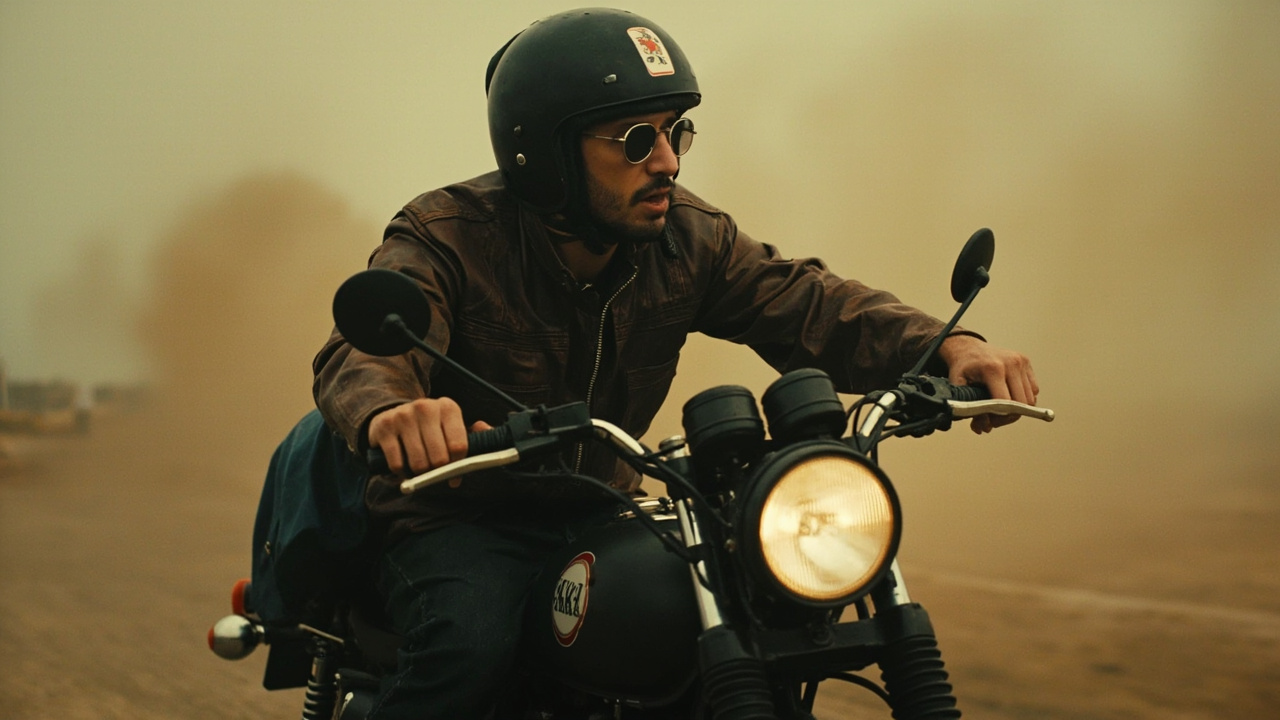
Retro Riding
Retro riding culture is one of the most visible trends in the motorcycle world in recent years. It refers to the longing for and practice of motorcycle design and riding styles from past eras. Participants usually ride older models, or new motorcycles with vintage styling and modern technology, while also deliberately connecting with past eras through clothing, style, and attitude.
The historical roots of retro riding can be traced to the 1980s, when the first generation of postwar baby boomers began to miss the motorcycle culture of their youth. 1970s models such as Honda's CB400F and Triumph's Bonneville began to be seen as classics by collectors. In the 1990s, as these people entered middle age and had more resources, prices for classic motorcycles began to soar, and retro riding gradually grew from a niche hobby into a mainstream trend.
The first characteristic of retro riding culture is the pursuit and preservation of classic models. Britain's Triumph plays an important role in the retro market. The Thruxton launched in 2001 was a successful case of commercializing a retro model. It used 1960s Cafe Racers as its prototype while adopting modern engine and chassis technology. Triumph later launched other retro models such as Bonneville, Bobber, and Speed Twin, building a complete retro product line.
Japanese manufacturers also followed this trend. Yamaha's XSR series, Honda's CB1100 and CB1300, and Kawasaki's W800 were all developed specifically for the retro riding market. These models share a common trait: they use modern engines and electronic systems while remaining as faithful as possible to classic designs of the past in appearance.
The second characteristic of retro riding culture is the recreation of riding style. Unlike modern sportbikes that pursue extreme lean angles and fastest lap times, retro riding emphasizes a calm and elegant riding posture. Loose leather jackets, vintage-style helmets, and low-speed balance skills are all elements of this culture.
Retro riding fashion is also an important component. Motorcycle fashion from the 1970s is returning, including high-waisted boots, short leather jackets, and patterned printed bandanas. Many brands' retro riding gear collections deliberately imitate elements of the past while using modern materials and safety standards.
Retro riding is closely related to Cafe Racer culture. Both value motorcycle appearance and riding attitude, but Cafe Racer culture places more emphasis on performance modification and road speed, while retro riding places more emphasis on overall stylistic harmony and preservation value. Enthusiasts of the two cultures often attend the same gatherings or events, but subtle differences exist in modification direction and riding philosophy.
Retro riding has also driven the development of related peripheral industries. The reproduction of vintage spare parts is one important field. Because the supply of original parts is increasingly limited, some specialized manufacturers have begun remaking parts based on original designs, covering everything from brake pads to chrome-plated components. These reproduced parts are used not only for vintage motorcycle restoration but also in the development of new retro-style motorcycles.
For many enthusiasts, retro riding is a lifestyle choice. They choose to ride old motorcycles because these machines carry the craft values and aesthetic standards of past eras. Compared with modern mass-produced motorcycles, a well-maintained 1970s Triumph or BMW has unique engine vibration and exhaust sound—qualities that cannot be replicated in the digital age.
This culture has also prompted debate. Critics argue that retro riding enthusiasts over-romanticize past motorcycle eras and ignore the safety and reliability limitations of older models. They point out that motorcycles of the past lacked modern anti-lock braking systems and traction control, limiting their ability to respond in emergencies. Supporters, however, believe that the risks of riding old motorcycles can be managed through proper training and a cautious riding attitude.