American Motorcycle Culture and the Origins of the Cruiser
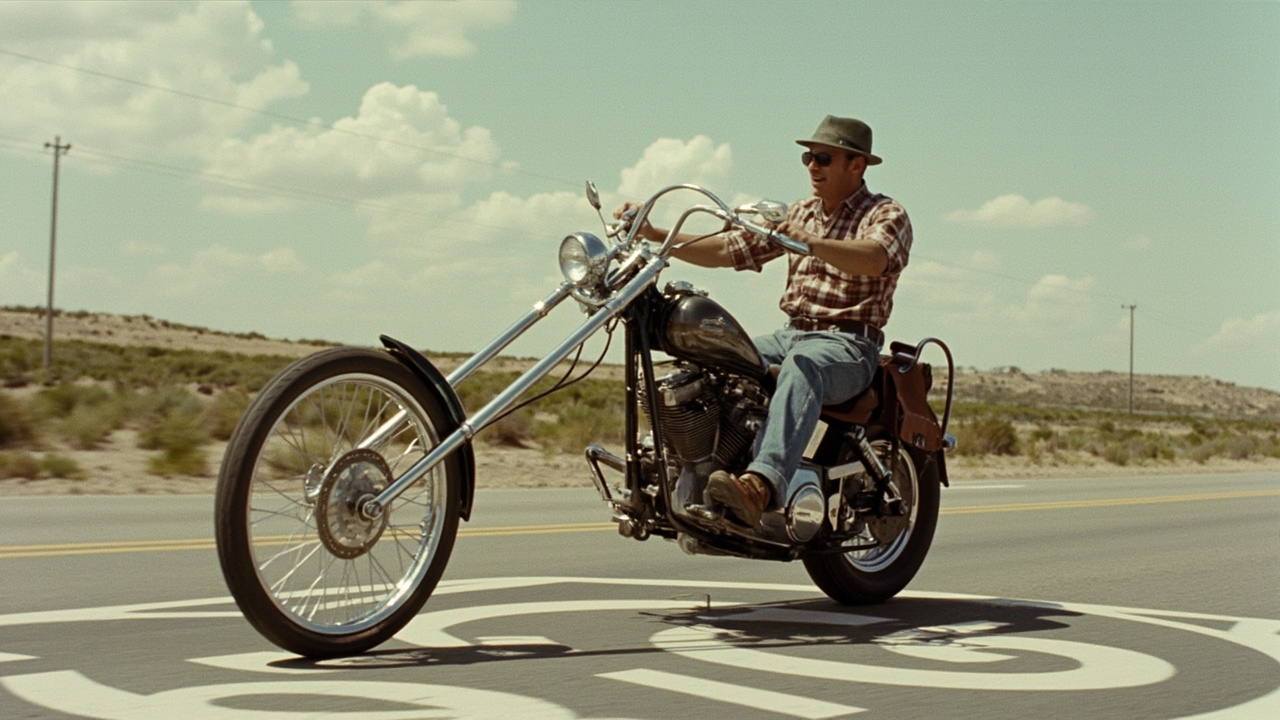
The development path of motorcycles in the United States differed significantly from that of Europe and Japan. America's vast geography, dispersed population, and later-maturing automobile culture shaped a distinctive American motorcycle culture, with the cruiser style as its most representative form. The design philosophy of the cruiser differed sharply from the European pursuit of speed and handling. It emphasized a comfortable riding position, strong low-rpm torque, and vivid personal style.
The roots of cruiser culture can be traced to the 1930s. Harley-Davidson's Knucklehead engine was introduced in 1936, with a displacement of 1100cc and maximum output of around forty horsepower. This engine used an OHV design, replacing the older side-valve engine and greatly improving heat dissipation and horsepower. The Knucklehead became the core technical foundation for later Harley-Davidson cruiser lines.
In the 1940s, Harley-Davidson introduced the Panhead engine, with aluminum-alloy cylinder heads and hydraulic valve lifters, greatly extending maintenance intervals and improving reliability. The Panhead accompanied Harley-Davidson through the 1950s and became a classic image of the American cruiser. During the same period, Indian's Chief series also used a V-twin design, but with Indian's bankruptcy in 1953, Harley-Davidson established its dominant position in the American market.
From the late 1950s into the 1960s, the American cruiser began to form a distinctive visual language. Accessories such as saddlebags, windshields, and engine guards gradually became standard equipment or common add-ons. Custom builders such as Tommy James and Bob Sharp began experimenting with converting factory models to lower seat heights, wider handlebars, and exaggerated chrome accessories. This custom culture indirectly influenced factory design direction. Harley-Davidson's 1965 introduction of the FL-series Wide Glide front fork was a product response to market demand.
In 1969, Honda formally entered the large touring motorcycle market with the Goldwing GL1000. This model used a horizontally opposed four-cylinder engine and shaft drive, directly targeting Harley-Davidson's market segment. Although early sales fell short of expectations, the Goldwing continued to evolve during the 1970s and became another representative touring motorcycle line.
The 1970s brought an important turning point for American cruiser culture. In 1977, the film California Dreamer was released and featured many Harley-Davidson Sportsters, triggering a major Hollywood influence on the motorcycle image. In 1978, the television series CHiPs also used Harley-Davidson motorcycles as police bikes, further mainstreaming the cruiser image. At the same time, exposure of organizations such as the Hell's Angels motorcycle club gave American motorcycle culture a kind of alternative countercultural image.
In the 1980s, customization culture reached a new peak. Builders such as Arlen Ness, Roland Sands, and Eddie Trotta elevated American cruiser customization into an art form. Arlen Ness began introducing handmade body kits and innovative paint styles to cruiser motorcycles in the 1970s, and his "Sinner" series became known for extremely low-slung designs. Roland Sands combined racing elements with cruiser style, creating the new category known as the "performance cruiser."
Entering the 1990s, brands such as Harley-Davidson, Victory, and Indian continued competing in the American cruiser market. Harley-Davidson's Softail series, introduced in 1984, used hidden rear suspension to create the visual effect of a hardtail while combining traditional aesthetics with modern performance. This design became one of the mainstream trends in the cruiser market from the 1990s through the 2000s.
Another important development in American cruiser culture was the rise of the Bagger style. Popular from the late 1990s to the early 2000s, this custom style fitted large motorcycles with oversized chrome accessories, speaker systems, and lighting, pursuing visual dominance and an immersive audio experience. The popularity of Bagger culture gave rise to professional custom shops such as Mojo Customs and Lone Star Speed.